How Our Planet Looks on the 50th Anniversary of Earth Day

Above: Staff members of the Gujarat Science City on the outskirts of Ahmedabad, India, wear face masks as they stand in front of a planet-Earth model on April 21, 2020, the eve of World Earth Day. (Sam Panthaky/AFP via Getty Images)
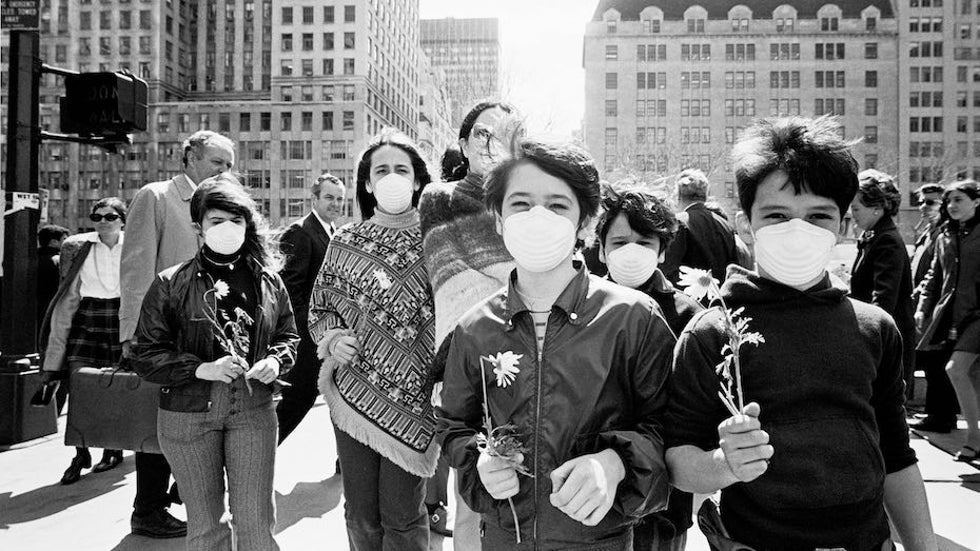
The words “planet” and “health” bring to mind far different images right now than they did on April 22, 1970—the first Earth Day. The coronavirus pandemic has invaded our global consciousness, and with good reason. Even so, it’s worth taking just a minute or two away from COVID to ponder the planet itself and how it’s looking in these strange, uncertain times.
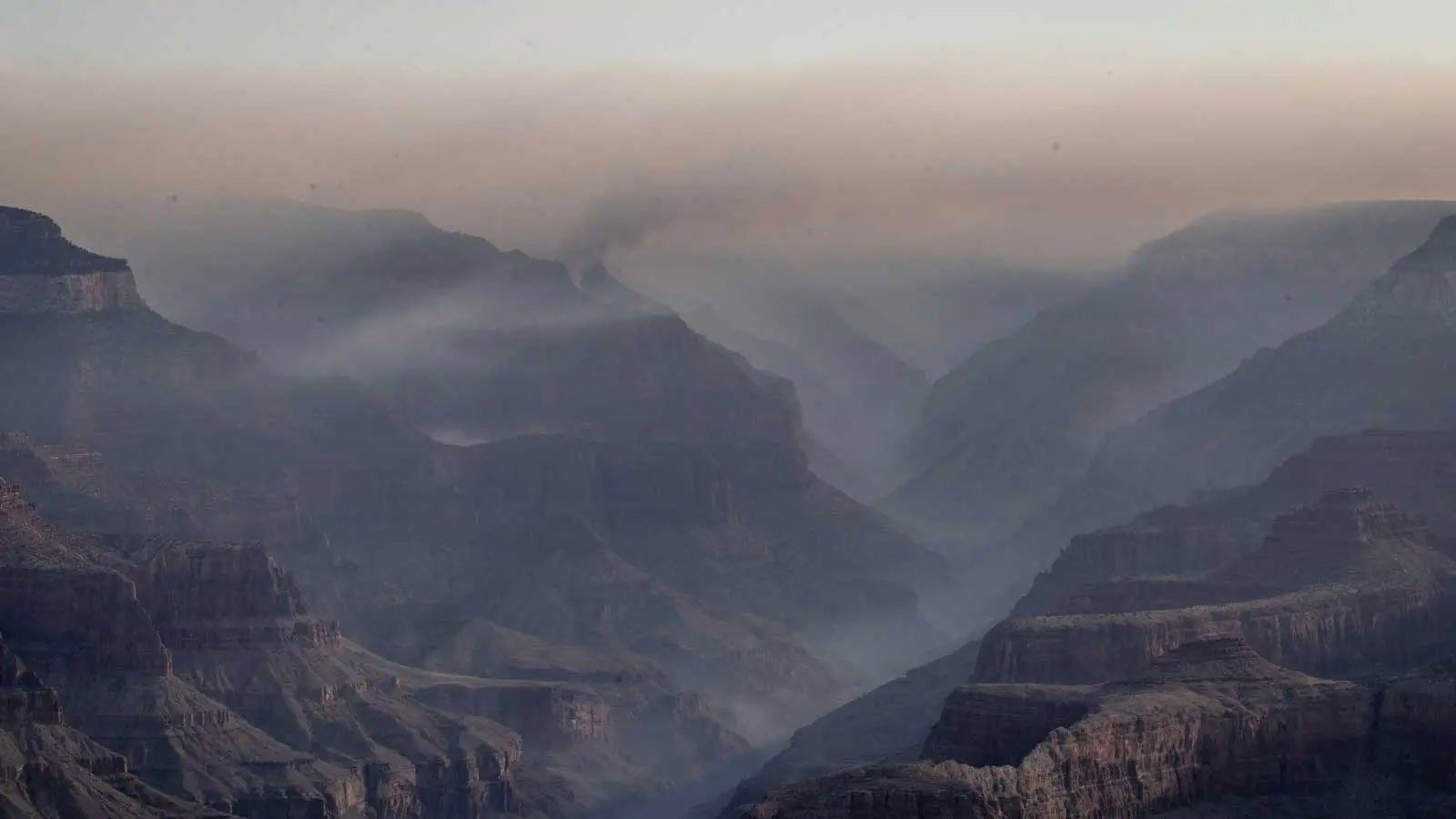
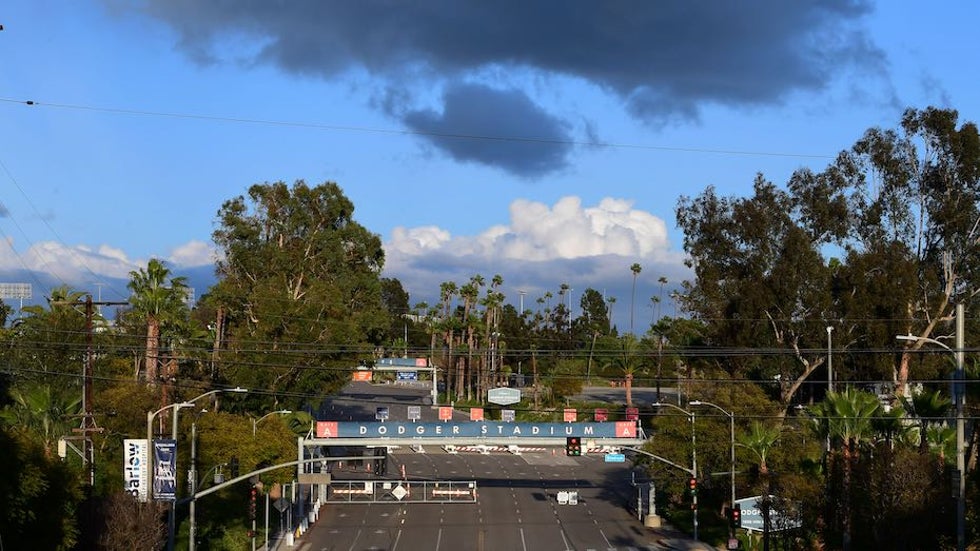
As billions of people hunker down in stay-at-home fashion across the globe, they’re giving the planet itself something of a breather. Air quality in many places has taken a dramatic turn for the better, one that’s been obvious to the naked eye in some places. Parts of the Himalayas were visible from Punjab, India, on April 3, which may have been the first time this has happened in at least 30 years. In early March, the EPA’s Air Quality Index hit its longest stretch of “good” daily ratings in Los Angeles in data going back to 1995.
Not only are views better, but our lungs are getting a break as well. Outdoor air pollution takes as many as 8.7 million lives a year. Much of that toll is due to tiny particulates (PM2.5), and the concentrations of these tiny droplets and particles have dropped significantly in many major cities, as we discussed in a post last month. In a sad irony, at least two studies have now found statistical and geographical links between areas of high PM2.5 and nitrogen dioxide concentrations and areas with high rates of COVID-19 illness—perhaps a function of respiratory preconditions induced by years of living with pollution.
Greenhouse gas emissions have decreased globally as well—although maybe not by as much as we’d expect. The demand for oil and gas is plummeting by an estimated 30% this month, as driving and flying are down to a fraction of their usual levels. The downturn in oil use led to a bizarre market meltdown on Monday that pushed the May futures of West Texas crude to negative levels. “We are straight up in black swan territory for oil markets,” energy analyst Alex Gilbert tweeted. (This thread from Gilbert is hugely helpful. In a nutshell, it’s difficult to scale down production quickly because oil wells can’t be flicked off and on like light switches, yet the world is fast running out of capacity to store all that unneeded oil that's still being pumped.)
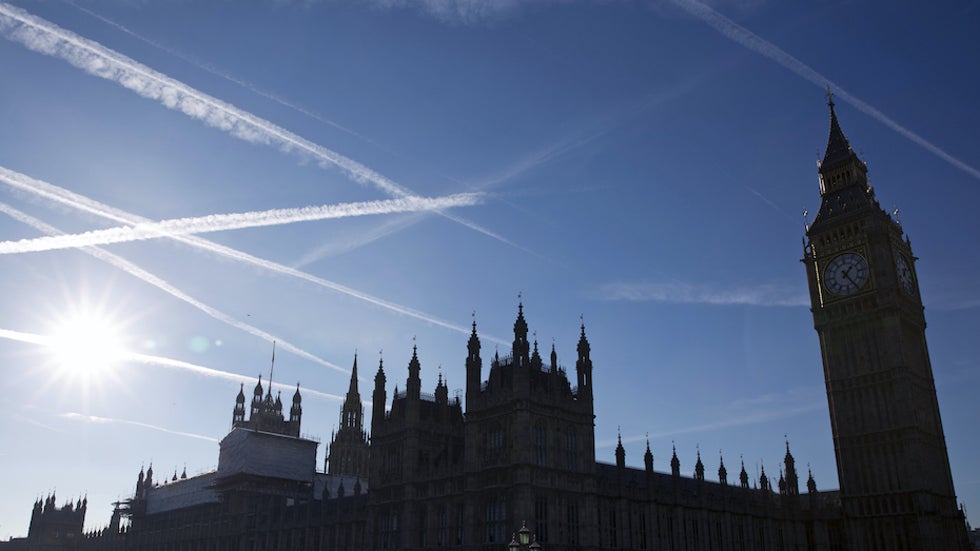
Electricity use is also down, with offices and factories shuttered. That has sharply reduced the demand for coal in the United States and elsewhere, and it's helping to drive a 16% drop this year in the development of new coal plants worldwide. Germany set a record for solar power generation on Monday, April 20, making up roughly 40 percent of the nation's electricity supply on that day. Low amounts of air pollution and contrails may have given Monday's solar potential an extra nudge.
All told, global carbon emissions may well go down by a few percent this year—a potential record drop that appears very plausible. However, this would only slightly dent the rising trend in carbon dioxide concentrations. Indeed, the coronavirus impact barely registers on CO2 concentrations measured at Mauna Loa. The most recent weekly average topped 416 parts per million for the first time on record.
It would take a whole decade of greenhouse gas emission reductions of a few percent per year—happening every year, adding up to a 60% drop—to meet the targets laid out in the 2018 IPCC report for having a two-thirds chance of keeping global warming to 1.5°C of preindustrial levels.
On the plus side, the massive dropoff in air travel—U.S. screenings by the Transportation Security Administration were down on a year-to-year basis by more than 95% in the first twelve days of April, and flights were down by almost 60%—is likely having a positive effect on climate change as a result of fewer contrails. These clouds, formed by exhaust from jet engines, tend to spread out at high altitudes. Like other thin cirrus clouds, contrails have a net warming effect on the atmosphere by allowing in some sunshine but blocking long-wave radiation from Earth back to space. (Night flights are the worst offenders on this score by far, as they preclude any chance of sun-blocking benefit.)
Fixing a hole
One area where we’ve made clear long-term progress wasn’t even on the global radar back in 1970. The Antarctic’s stratospheric ozone layer, whose seasonal depletion was discovered in the mid-1980s, has been on the gradual mend in recent years. This healing is because of the phaseout of chlorofluorocarbons (CFCs) in the 1987 Montreal Protocol. The chief replacements for CFCs, hydrofluorocarbons (HFCs), do not deplete ozone, but like CFCs, they are powerful greenhouse gases. The ongoing phaseout of CFCs through the Montreal Protocol and HFCs through the 2019 Kigali Agreement is having the hugely beneficial effect of reducing human-caused climate change. In fact, a 2019 study found that the Montreal Protocol alone has saved the Arctic from more than 1°C of additional warming to date, and it will reduce the amount of global warming by 2050 by about 1°C.
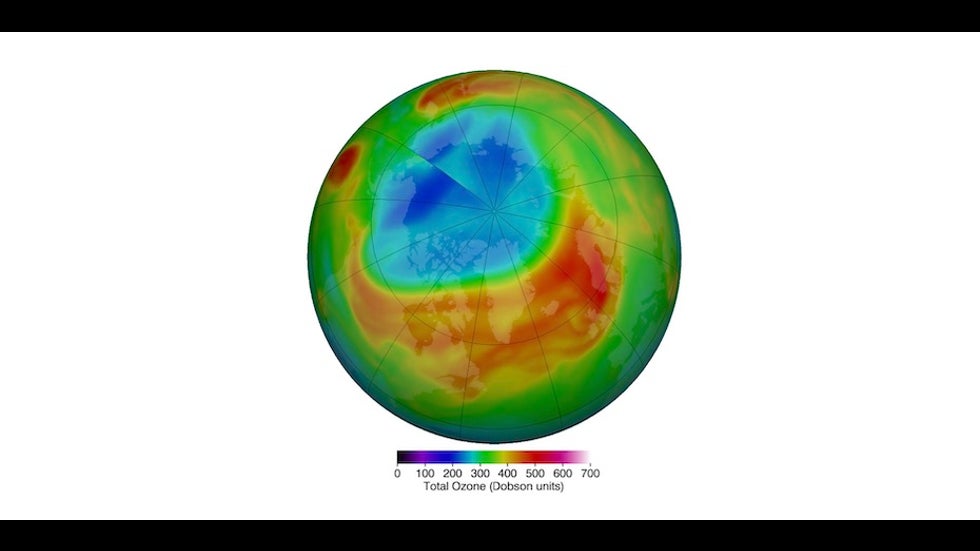
In an unexpected way, this spring has made it clear that ozone loss isn’t all behind us. Frigid air was largely bottled up at high northern latitudes this past winter, as suggested by the Arctic Oscillation hitting record-high values in February. The unusually cold air in the Arctic stratosphere’s polar vortex allowed ozone-depleting chemicals still in the air to combine with polar stratospheric clouds—a combination routine over the Antarctic but rare over the Arctic, where the vortex is seldom strong and stable all winter. The result has been the strongest ozone hole ever measured so late in the year over the northern polar regions, though not quite as strong as the ozone holes of early 1997 and 2011.
The natural world steps into the void
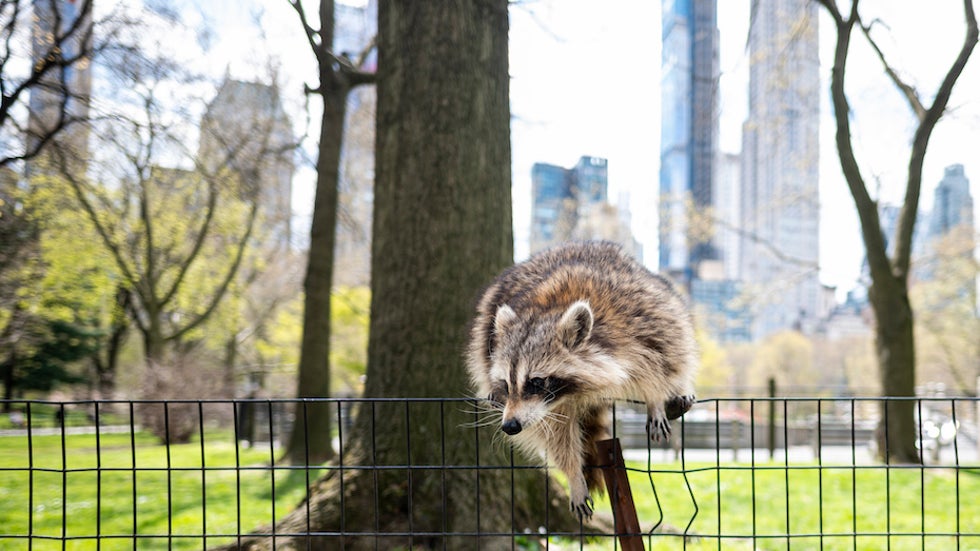
With cities quiet and roadways empty, the presence of wildlife is suddenly becoming more obvious, as critters scamper back into places where they aren’t usually a center of attraction. Vacant beaches from Thailand to Florida have been a boon for sea turtles, whose beach-laid nests are often at high risk from human activity.
The coronavirus is also opening up psychological space for humans to think about how a world of hugely reduced consumption and pollution might look.
“Obviously, this is something we wanted to avoid at all costs,” atmospheric chemist Joose de Gouw (University of Colorado Boulder) told the Daily Camera. “But now it is here, there are things we can learn. And I think we owe it to ourselves to try and get that data and learn those lessons, learn everything there is to be learned.”
Just as we’re forced to contemplate our existence when we’re bedridden, the unprecedented level of quarantine prompted by the novel coronavirus might prompt some intense introspection among creative, environment-minded souls. With any luck, this could lead to fresh ideas and perspectives on how best to preserve our planet and its current climate. Maybe this is at least one glimmer of hope as we ever-so-gradually recover from this global catastrophe and proceed to Life After COVID, whatever that may end up looking like.
In the meantime, here’s wishing everyone a safe and healthy Earth Day!
PS: If you’re curious about how Earth Day got its start way back in 1970, check out my back-story feature at weather.com.
The views of the author are his/her own and do not necessarily represent the position of The Weather Company or its parent, IBM.